What is Firewise??


Understanding the Term—and Why It’s Often Misunderstood
4
If you’ve spent any time researching wildfire mitigation, you’ve likely come across the term “Firewise.” It’s everywhere—HOA guidelines, insurance requirements, online articles, and community discussions.
But what does Firewise actually mean?
And more importantly—does anyone really agree on it?
The Official Definition of Firewise
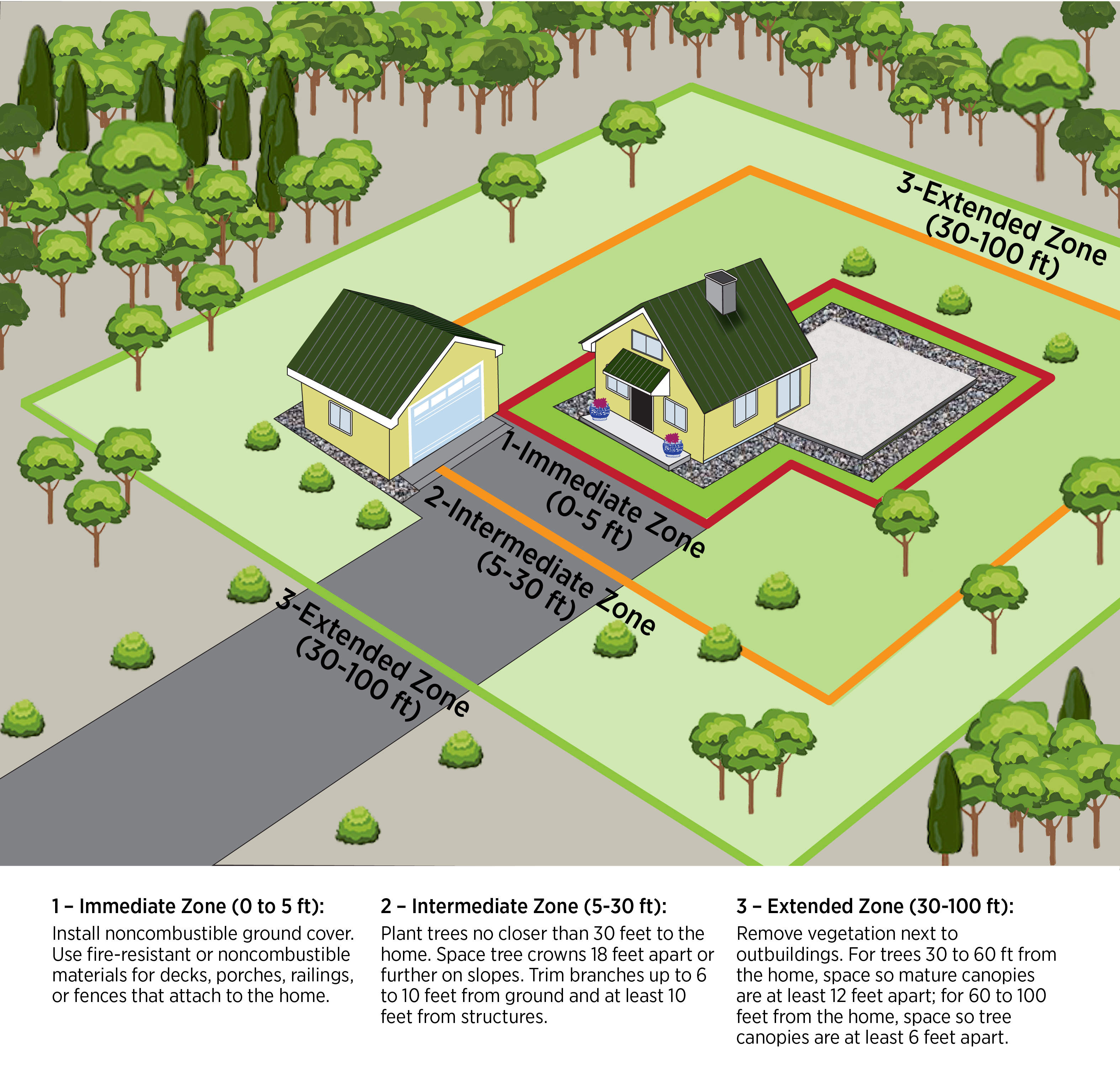
The term Firewise generally refers to a set of practices designed to reduce wildfire risk around homes and communities—especially in the wildland–urban interface (WUI).
At its core, Firewise principles focus on:
- Creating defensible space around structures
- Reducing flammable vegetation (fuel loads)
- Using fire-resistant building materials
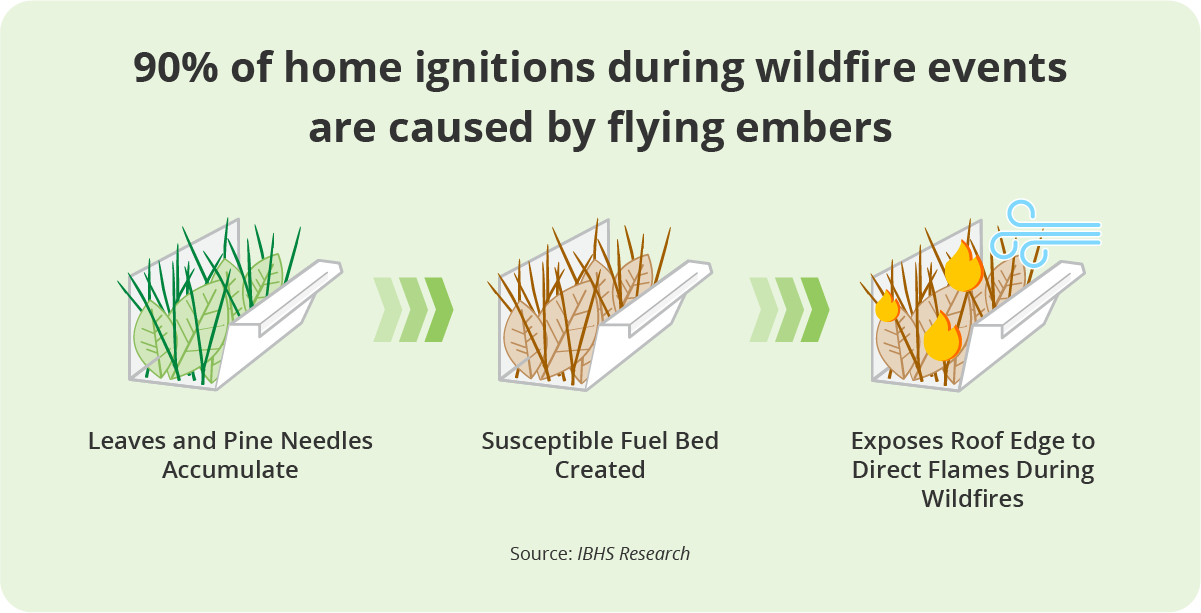
- Maintaining properties to reduce ignition risk from embers
On paper, it sounds straightforward.
In reality—it’s anything but.
The Problem: “Firewise” Has Become a Moving Target
After working in over 30+ HOAs throughout Central Oregon, managing tree care and wildfire compliance, I’ve seen one consistent issue:
“Firewise” means something different everywhere you go.
In many cases, the term gets used loosely—more as a feel-good label than a clearly defined, enforceable standard.
- One HOA may require aggressive thinning and spacing
- Another may allow dense screening vegetation for privacy
- Some rely heavily on volunteer boards with limited field experience
- Others follow vague guidelines from insurance providers
The result?
A wide spectrum of interpretations—many of which don’t meaningfully reduce wildfire risk.
The Reality Homeowners Face
Most property owners genuinely want to do the right thing.
They want to be “Firewise.”
But they also want:
- Privacy
- Aesthetic landscaping
- Shade and wind protection
- To preserve mature trees and screening
And that’s where things get complicated.
Because in many cases, the vegetation people want to keep—
is exactly what increases wildfire risk.
The Common Disconnect
As a professional, I’m often brought in to assess wildfire risk and provide recommendations.
And I’ll be honest:
The most effective solutions are often the least popular.
Typical recommendations might include:
- Removing trees too close to structures
- Thinning overcrowded stands
- Eliminating ladder fuels and dense brush
- Increasing spacing between crowns
But what I frequently encounter is this:
Homeowners ask for professional guidance—then reject the core recommendations because they don’t want to change the landscape too much.
Instead, the compromise becomes:
- “Trim a little here”
- “Limb up a bit there”
Which may look cleaner…
But often does very little to actually reduce fire behavior risk.
A Hard Truth About Wildfire
Here’s where it’s important to stay grounded in reality.
Even with proper fuel reduction:
There are conditions where wildfire behavior simply overwhelms everything.
We’ve seen this in major California fires:
- 70+ MPH winds
- Embers traveling miles ahead of the fire front
- Entire neighborhoods igniting—not just vegetation
In many cases, homes weren’t lost because of surrounding trees…
They were lost because:
- Embers landed on roofs
- Debris ignited in gutters
- Decks and structures caught fire
Where Firewise Efforts Actually Matter Most
If you want your efforts to count, focus on the highest-impact areas first:
🔥 Immediate Structure Zone (0–5 feet)
- Remove flammable materials near the home
- Use non-combustible landscaping (rock, pavers)
- Avoid wood mulch and dense vegetation
🏠 Roof & Gutters
- Clean gutters regularly (especially pine needles)
- Check roof valleys and crickets for debris
- This is one of the most common ignition points
🪵 Decks & Attachments
- Keep decks free of debris
- Clear underneath decks completely
- Install 1/8” hardware cloth to prevent ember intrusion
- Consider fire-resistant materials instead of wood
🌲 Tree Placement & Species
- Distance from structures matters
- Conifers (pine, juniper) are generally more volatile
- Deciduous species tend to be less flammable
The Insurance Factor
Increasingly, “Firewise” isn’t just about safety—it’s about insurance compliance.
And here’s where things get even murkier:
- Insurance companies often provide vague requirements
- Adjusters making decisions may have no fire or forestry background
- Homeowners are left guessing what’s “enough”
After 26 years in the tree service industry, I’ve seen this firsthand:
Most of the time, we implement best practices—and hope it satisfies underwriting.
Sometimes it does.
Sometimes it doesn’t.
So… What Is Firewise?
At the end of the day:
Firewise is not a fixed standard—it’s a spectrum of risk reduction.
And where you fall on that spectrum depends on:
- Your personal comfort level
- Your property layout
- HOA requirements
- Insurance constraints
Final Thought
Everyone wants to be “Firewise.”
But real wildfire mitigation requires more than a label—it requires:
- Honest evaluation
- Willingness to make meaningful changes
- Understanding where efforts actually make a difference
And sometimes…
It means accepting that you can reduce risk—but never eliminate it entirely.
Need a Professional Assessment?
If you’re in Bend, Sisters, or anywhere in Central Oregon and want a real, experience-based evaluation of your wildfire risk—not just a checkbox approach—reach out.
We provide:
- Arborist-led wildfire assessments
- Practical, realistic mitigation plans
- HOA and insurance compliance support
👉 Request a quote or consultation today
https://timberstandimprovement.net/request-a-quote/
I